Starter
$320· 5 days
- 1 AI feature, up to 3 screens, one model wired in
- Web platform
- Deployed to a live URL
- Full source code
- 2 revisions
DAX designed and built a modular product system that adapts across operations, commerce, support and AI. Use the controls to inspect how the delivered prototype behaves.
DAX designed one product foundation for several business uses. The controls are evidence of the build, not a self-service app maker.
Two exports that kept going — the module you toggle above, taken to production scope.
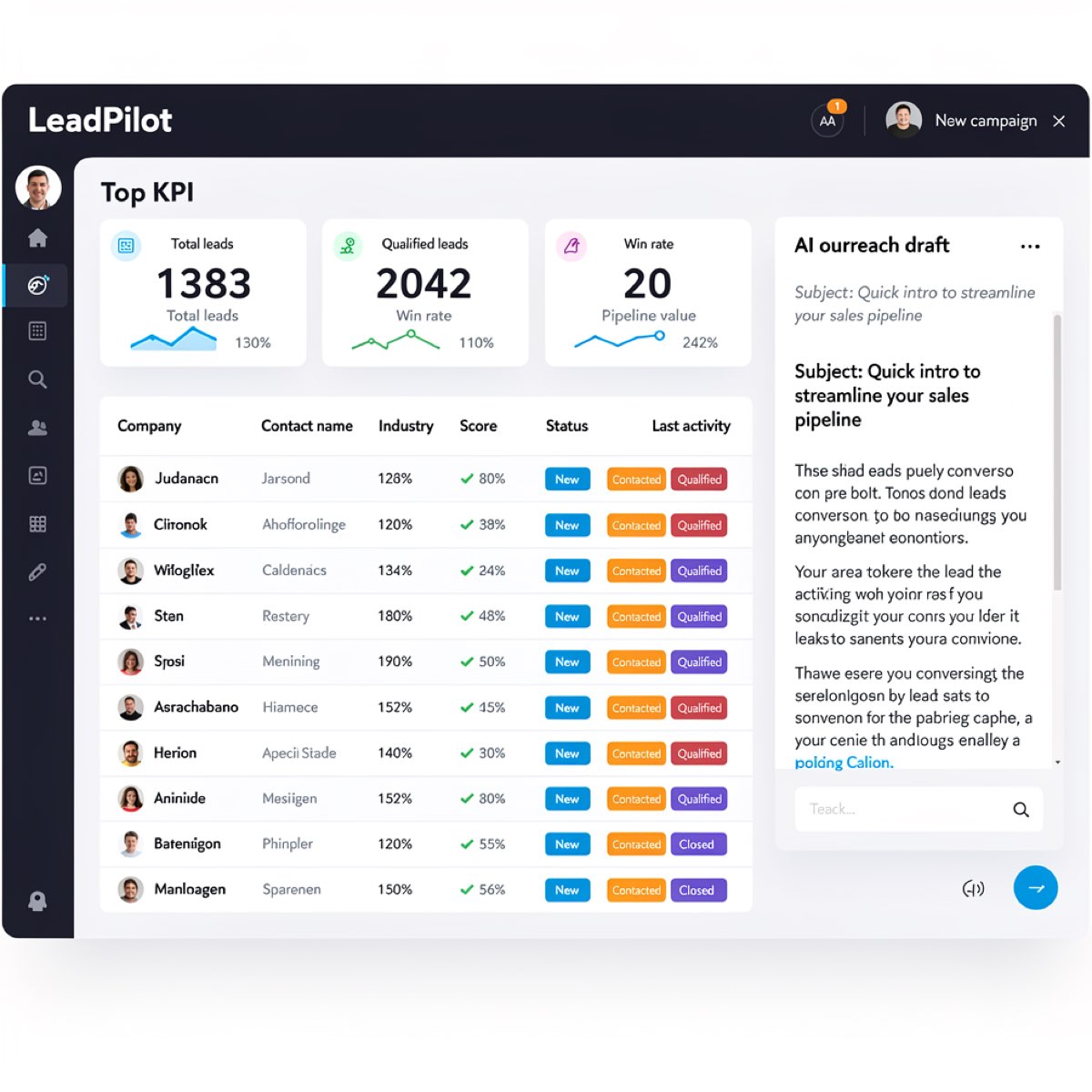
The dashboard toggle at production scale: KPI cards, live-scored lead table, sort and drill. Same architecture node you see redraw above.
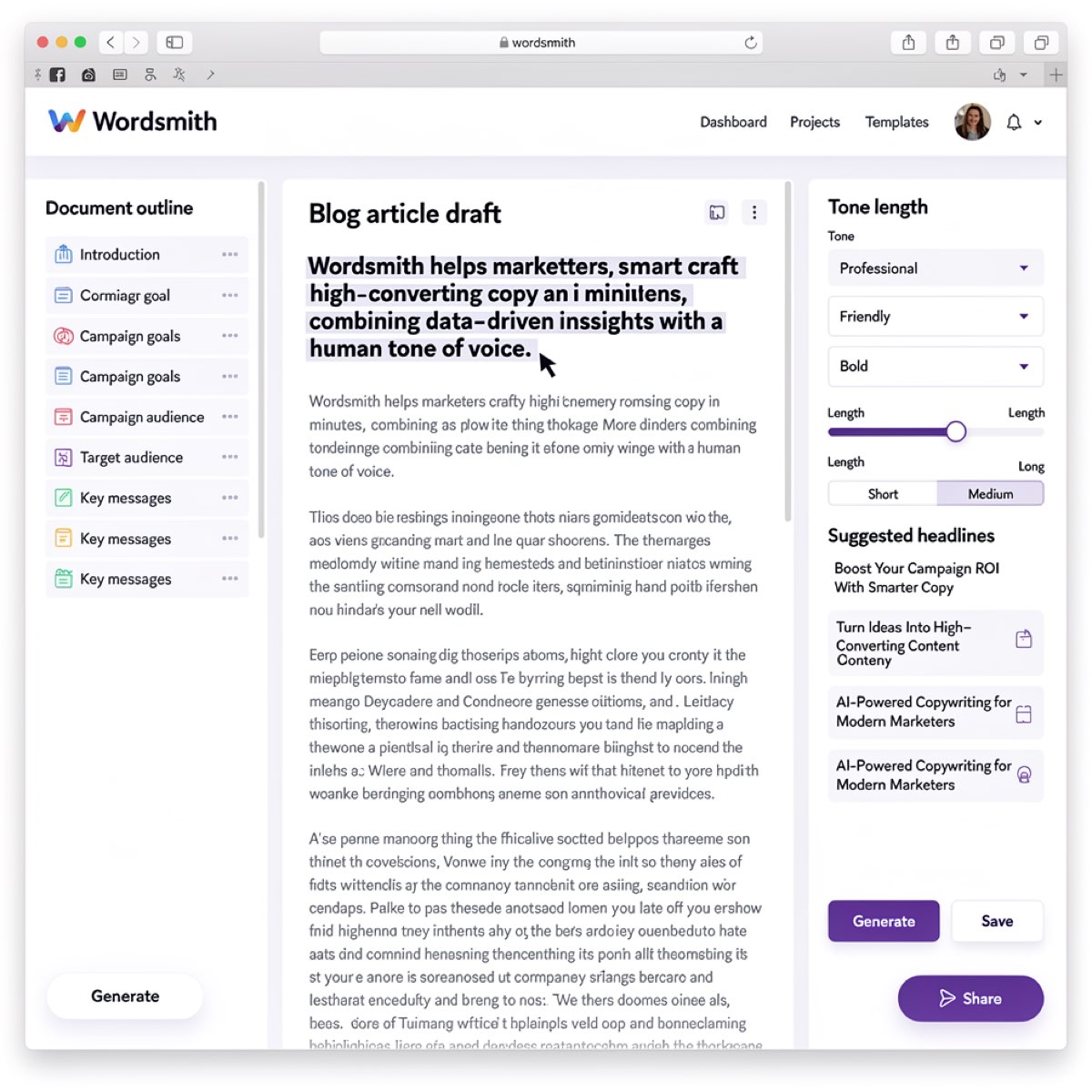
Auth and payments in the wild: user accounts, usage limits, billing. The pricing screen you assemble in the preview is its ancestor.
Three fixed tiers. The Forge above maps your configuration onto one of them — the highlighted card is where your current build lands.
You own it outright — repo, accounts and keys in your name. Take it to any developer later with zero lock-in. After delivery: fourteen days of free bug fixes on what we shipped, then an optional retainer or just the code. No forced subscription.
Pulled from real marketplace reviews across development gigs — no names, just the pattern, and what this page does about each.
"I messaged several sellers. Nobody replied — the one who finally did diagnosed it in minutes."
The DAX answerThis page answers before we do: the Forge shows you the build, the price and the timeline without waiting on a reply. Humans follow inside a working day.
"They built the wrong thing because nobody asked what I actually needed."
The DAX answerThe Forge is the scoping call. What you toggle is what gets quoted — modules, screens, price, days — in writing before any work starts.
"I'm not technical, and I felt rushed and patronised the whole project."
The DAX answerThe architecture map above is how we talk to owners: plain nouns, labeled boxes, no jargon quiz. If a diagram needs a translator, we redraw it.
"Weeks of nothing, then a surprise at delivery."
The DAX answerThe live preview you're clicking is the working method: every real project gets a build link that updates as we work, so delivery day has no reveals — you watched it assemble.
"The cheap build arrived already outdated — I paid twice to rescue it."
The DAX answerCurrent stack, no recycled templates — this builder assembles from scratch in front of you, and the export proves the artifact stands alone. You own the repo from day one, so nothing rots behind someone else's login.
Every development service we sell, tied to the part of this demo that proves it.
The Forge shell itself — layout, motion and state hand-rolled with zero libraries; the preview you're clicking is live HTML/CSS/JS.
Flip the API toggle: the diagram grows a versioned REST layer with keys and rate limits, and the preview gains a console that answers requests.
Every assembled preview holds together at 375px untouched — the same one-codebase discipline we ship to both app stores.
db/schema.sql sits in every build manifest above, and the Postgres node reshapes as your modules change its tables.
Pick the AI assistant product: the preview wires a model-backed flow the same way we wire RAG and fine-tuned models into client builds.
Mendly — the support copilot you can assemble above — is the working miniature of the agent systems that are our home turf.
The export button is deterministic — config in, artifact out, verifiable by anyone. That is exactly how we treat smart-contract builds and deploys.
The dashboard module's recomputing KPIs and charts are the same telemetry we bolt onto strategy runners and backtests.
Watch the rebuild counter: every toggle re-renders the whole app in tens of milliseconds — game-loop discipline applied to the web.
Forge packs an entire working app into one self-contained file you can download — the same packaging rigor Manifest V3 demands.
The build manifest is a pipeline in miniature: configuration in, files out, identical on every run — that determinism is the whole job.
Export hands you a deployable artifact on click; on commissions that click is a CI/CD pipeline to your own cloud, monitored and backed up.
Toggle anything off and back on — the build regenerates cleanly, no debris. Maintained systems should rebuild this calmly, every time.
Run the test checkout inside the preview: scripted, repeatable, passing in front of you — which is what a real test suite gives your app.
Config becomes a verified artifact you flash somewhere else — the export flow above mirrors how we hand off ESP32 and STM32 builds.
Your configuration, your repo, your keys — scoped in the open, assembled in daylight.